Showing posts with label brentwood medical clinic. Show all posts

Tuesday, November 14, 2017

Lyme Disease

If a tick has ever bitten you then you are at an increased risk of developing an inflammatory infection known as Lyme disease. Lyme disease is caused by a certain type of bacteria known as borrelia, which infects animals such as birds, rodents and deer. Ticks pick up the bacteria by biting an infected animal before biting and transferring that bacteria to humans, resulting in Lyme disease.

The problem with Lyme disease is that many individuals who are affected are not even aware they have it – at least not initially – as it is easy to overlook some if its’ most common symptoms. For example, forgetfulness is often attributed to aging; things like not remembering where you put the keys, forgetting a conversation that you had with someone, or forgetting appointments. Other symptoms such as lack of fatigue and lack of concentration are also often attributed to being a normal part of life – especially after a gruelling day at work or in school. However, all of these symptoms mentioned can also be signs of Lyme disease.

Lyme disease rash
One misconception about Lyme disease is that you have to look ill in order to be ill, which is not the case. Outwardly, someone with Lyme disease may appear to be fine. However, in reality they may feel quite unwell and experience low levels of energy, in addition to experiencing a long list of other symptoms – over 100 – including rash, hair loss, headache, facial paralysis, stiff neck, jaw pain, sore throat and other flu-like symptoms, dental problems, blurred or double vision, sensitivity to light, eye pain, plugged or painful ears, ringing/ buzzing in one or both ears, decreased hearing, upset stomach, diarrhea, constipation, fibromyalgia, shortness of breath, heart palpitations, chest pain, dizziness, poor balance, a burning or stabbing sensation in parts of the body, tremors, mood swings, depression, insomnia, memory loss, confusion, slurred speech, decreased libido, pelvic pain, breast pain, weight loss or weight gain, phantom smells, swollen glands and/or lymph nodes, allergies, and chronic infections. These are just some of the many symptoms of Lyme disease, and not everyone will experience the same or all of these symptoms.

When caught early, Lyme disease can be cured with antibiotics. However, if left untreated you are at risk of developing complications, which can sometimes be permanent. Living with Lyme disease can be challenging, but there are some important steps that Dr. Ali Ghahary recommends patients with Lyme disease follow, including getting plenty of rest, avoiding things like smoking, alcohol and caffeine, getting exercise (low-impact – you do not need to over-exert yourself), and eating a diet that is low in carbohydrates and high in fibre and protein.

If you would like information on what type of treatments may be best suited for you, Dr. Ali Ghahary is always available to see patients on a walk-in basis at Brentwood Medical Clinic in Burnaby. To find out Dr. Ali Ghahary’s walk-in hours for specific days, click here.

Wednesday, September 13, 2017

Preterm Labour / Premature Birth

Typically, a pregnancy is supposed to last up to 9 months. However, when a birth occurs more than 3 weeks (or prior to the start of the 37th week of pregnancy) before your due date, this is known as premature birth (preterm labour.) Preterm labour happens when the contractions of the uterine causes the cervix to open earlier than it should. In most cases, babies that are born prematurely go on to grow and develop as normal; this is due, in part, to the advances that have been made in health care over the years. However, not all premature births are without risk.


There are many risk factors that can lead to premature birth. While some of those risk factors can be decreased, others cannot. For example, certain lifestyle habits can play a significant role in whether or not a pregnancy will last full-term. Doing illegal drugs, smoking or drinking alcohol not only put the mother at risk of going into preterm labour, but also put the baby at risk of health problems. Stress, too, can also lead to premature birth. In order to protect not only your own health, but the health of your child, it is important to make positive, healthy changes to your lifestyle. For help on making those changes, reach out to your family physician. 

If you do not have a family physician, Dr. Ali Ghahary is available to provide care to patients on a walk-in basis at Brentwood Medical Clinic. You can find his walk-in schedule by visiting the clinic’s website at brentwoodwalk-inclinic.com. You can also find Dr. Ali Ghahary’s schedule on his own website at alighahary.ca

Women who have previously experienced preterm labour are also at a higher risk of experiencing it with future pregnancies. Studies have also shown that multiple gestations (such as being pregnant with twins or triplets, etc.) also put the mother at a higher risk of preterm labour – in fact, as many as 50% of premature births occur with multiple gestations, whereas that number is significantly lower with the birth of a single infant – at just 10%.

There are also certain medical conditions that can lead to preterm labour. Some of these medical conditions include having high blood pressure, a history of UTI’s (urinary tract infections), STI’s (sexually transmitted infections), being under or overweight, diabetes, IVF (in vitro fertilization), and more. Mothers of certain ages and ethnicities are also more likely to go into preterm labour.

As mentioned previously, not all premature births are without risk. Babies that are both prematurely are at risk of developing respiratory problems, heart problems, brain problems, jaundice, and anemia – though the list of risks is much longer. Premature babies are also at a much greater risk of developing infections, such as pneumonia or sepsis, due to their immune systems not yet being fully formed.

In order to ensure that your baby receives the best care possible, they may be required to stay in-hospital for an extended period of time. This is to ensure that they are able to breathe on their own, are at a healthy weight (at least 4 pounds) and can gain weight steadily, can keep warm on their own without the use of an incubator, and are able to breastfeed or bottle-feed.

For more information on how to reduce the risk of preterm labour and to avoid pregnancy complications, visit the B.C. Women’s Hospital and Health Centre website at www.bcwomens.ca and HeathLink BC.

Wednesday, August 23, 2017

Medication Interactions

Ali Ghahary, a family doctor from Vancouver, British Columbia, often prescribes medications to patients in effort to cure or prevent diseases, as well as in effort to ease symptoms of certain illnesses. 


The medications in which a physician will prescribe a patient range in variety. They include (but are not limited to) medications to treat over or under-active thyroid (also known as hypo or hyperactive thyroid), anti-emetics to treat nausea, pain relievers to treat inflammation, as well as inhaled corticosteroids to treat asthma, nasal sprays to treat allergies, and medications to treat heart disease and diabetes.

In order to determine whether or not a medication is appropriate for the patient, Dr. Ali Ghahary will take into account the patient’s medical history as well as any medication allergies. While many medications do come with risks, your doctor has deemed that the benefit of taking the medication is much greater.


Upon filling a prescription, it is crucial to follow the exact dosing instructions as outlined by your physician. Taking too little or too much of a medication can result in the worsening of your medical condition or overdose – and your body may even become immune to some medications if not taken properly.


If you are taking multiple medications, Dr. Ali Ghahary says it is important for patients to be aware of any potential interactions that can occur as a result of taking more than one drug. For example, certain antibiotics can increase levels of the anticonvulsant medication known as Tegretol (Carbamazepine). Warfarin, an anticoagulant (blood thinner) used in conjecture with NSAIDs (Naproxen, Advil), could lead to an increased risk of internal bleeding with serious complications; and anti-depressants used in conjecture with sleeping or allergy medications may lead to increased drowsiness and possible agitation. 

If you are concerned about any potential medication interactions, visit Drugs.com There, you will find their Drug Interactions Checker in addition to finding out more information about the medications in which you have been prescribed. If you have questions about your medications, you can always reach out to a physician or pharmacist

Dr. Ali Ghahary is more than happy to answer any questions you might have, and is available to see walk-in patients at Brentwood Medical Clinic every Monday, Wednesday, Friday and Sunday. For Dr. Ghahary’s walk-in schedule, visit his website at www.alighahary.ca.

Wednesday, May 31, 2017

Social Anxiety

Anxiety and other mental health disorders affect millions of individuals worldwide. In Canada alone, anxiety affects at least five percent of households. Dr. Ali Ghahary, a physician in Vancouver, treats many patients living with mental illness, including social anxiety. 


Social anxiety is one of many common anxiety disorders affecting individuals today. It Is characterized by fear of social situations and interactions with others, often resulting in the patient worrying that they may be judged, talked about or humiliated – even when that worry is unjust. It can be a debilitating disorder to live with and affect many aspects of one’s life, including personal relationships, school and/or work attendance, and the ability to perform normal, basic, everyday activities, such as grocery shopping, banking, attending doctor’s appointments, etcetera.

While people with social anxiety do want to participate in social activities, make friends, and live a normal life, the fear that comes with the disorder almost always makes it difficult for them to feel comfortable enough to do that. As a result, others usually describe individuals living with social anxiety as seeming withdrawn, disinterested, and unfriendly – albeit not by choice.


Varying scenarios, including being introduced to others, having to speak in public, and making phone calls, can trigger social anxiety. The symptoms that often accompany society anxiety are feelings of nervousness, heart palpitations, trembling, facial flushing, dry mouth, and panic attacks. Individuals with social anxiety can also develop dysmorphia – a condition in which they perceive themselves in a negative light. 

Individuals with social anxiety almost always realize that their thoughts and feelings are abnormal, though without proper treatment they are usually unable to control it. In order to properly diagnose and alleviate the symptoms of social anxiety, Dr. Ali Ghahary will often recommend that patients be on medication (such as Ativan or other anti-anxiety drugs) in combination with attending counselling sessions with the primary focus being cognitive behavioural therapy. Cognitive behavioural therapy works by changing the patient’s way of thinking, in turn making them feel more comfortable, over time, in social situations.


Anxiety does not have to ruin your life. If you have concerns about your mental health, do not hesitate to reach out to Dr. Ali Ghahary at Brentwood Medical Clinic. He takes a compassionate, gentle approach when dealing with vulnerable patients. You can find Dr. Ghahary’s walk-in schedule by clicking here.

Wednesday, April 12, 2017

Link Between Obesity and Sleep Apnea


Since 1985, rates of obesity in Canada have tripled. It’s a startling trend, and by 2019 as many as 25% of Canadians are expected to be diagnosed as being obese. Causes of obesity range from genetics, physical inactivity, medications, and unhealthy eating habits. Dr. Ali Ghahary, a physician in Vancouver practicing at Brentwood Medical Clinic in Burnaby, has been a long-time advocate of patients leading healthy lifestyles, which includes keeping fit and having diets that are low in carbohydrates. 

Dr. Ali Ghahary personally recommends the Paleo diet or South Beach diet, which are not just focused on weight loss, but instead focus on the patient’s overall health.


There has also been a discovery that shows obesity may be linked to sleep apnea, or vice versa – especially in teenagers, with more than 5% of Canadian teenagers suffering from sleep apnea; that number rises to as many as 60% in teenagers who are obese. 

Sleep apnea is a common condition that affects the airways by causing pauses in breathing, with less air getting to the lungs as a result. This then causes a disruption in sleep. As our quality of sleep is disturbed, one may find it more difficult to control their eating habits, and the want to exercise will also diminish due to feeling overtired. Risks include developing high blood pressure, diabetes, and stroke. This is especially worrisome in younger patients, as developing these problems at an early age can have a significant impact on one’s health. Teenagers that are diagnosed as being obese in addition to having a diagnosis of sleep apnea are also more likely to have trouble concentrating in school or at work, and are at a greater risk of developing mental health issues such as depression and anxiety.

An obvious symptom of sleep apnea is loud snoring with pauses in breathing that can last as long as 20 seconds. Headaches and a constant feeling of fatigue are also two common symptoms in patients, young and old, suffering from sleep apnea. In order to properly diagnose if this is a condition that you or your teenager may have, your doctor may refer you to a sleep clinic (there are several in and around Vancouver.) These Vancouver sleep clinics are specifically designed to determine what sleep disorders, if any, you might have, and can perform specific diagnostic testing such as a sleep study. A sleep study will monitor your breathing, oxygen levels, as well as the number of times you wake up during the night.

Wednesday, April 5, 2017

Anatomy of the Ear and Common Ear Disorders

Hearing has always been an essential part of communication – learning to talk is based on the ability to imitate sounds and mimic words used to speak. Without the ability to hear, communication can be difficult. The study of the ear, also known as otology, is the branch of medicine that examines the anatomy of the ear, its physiology, as well as diseases and disorders associated with it.

The ear is divided into 3 different sections, each playing an integral role in the hearing process: The external ear, middle ear, and inner ear.

Anatomy of the Ear

The external ear is the visible portion of the ear and consists of the pinna (or auricle) and the auditory canal. These parts of the ear are responsible for funnelling sound waves and secreting earwax. The tympanic membrane, also known as the eardrum, separates the external ear from the middle ear. A common disorder of the inner ear is impacted cerumen (earwax). This occurs when earwax has hardened and obstructs the auditory canal. Signs and symptoms of this condition include ear ache, blocked or muffled hearing, and a sensation of a plugged ear. Dr. Ali Ghahary, a Vancouver physician practicing at Brentwood Medical Clinic, treats this condition by flushing earwax with a syringe. If let untreated, it can lead to permanent hearing loss or tinnitus. 

The middle ear is a small cavity located in the temporal bone of your skull. It contains three bones that are commonly described by their shapes. These are the malleus, which is shaped like a hammer, the incus, which is shaped like an anvil, and the stirrup-shaped stapes. The middle ear is responsible for equalizing air pressure, sound vibration, and protection from damage (i.e. from loud noise.) Otitis media, inflammation of the ear, is a common disorder associated to the middle ear. It is caused by bacterial or viral infections. While it can affect individuals of all ages, it tends to occur in children more than adults. A child suffering from this condition may tug or pull on the affected ear, become unusually irritable, develop a fever and have difficulty sleeping. If infection is present, antibiotics will be prescribed. Decongestants may also be recommended to reduce swelling along with pain relievers. For more information on ear infections in children, click here.

The inner ear is responsible for converting sound pressure impulses to the brain via the auditory nerve. The most common disorder associated with the middle ear is tinnitus, which is characterized by ringing in one or both ears. There are various causes of tinnitus – from hearing loss, allergies, certain medications and even tumours. The ringing caused by tinnitus can be so severe that it can affect the ability to sleep and work. While there is no cure for this condition, many patients say they have found relief with hearing aids.

For persisting ear problems, Dr. Ali Ghahary will refer patients to an ENT (ear, nose, throat) specialist. There are also hearing clinics in and around Vancouver that are also well adept in conditions associated with the ear.

Thursday, March 23, 2017

Health Dangers of Mold

Do you have a chronic cough? Do you experience unusual shortness of breath? Frequent headaches? What about recurrent sinus and respiratory infections or flu-like symptoms? These could all be indicative of exposure to mold, which can cause many of the aforementioned symptoms and pose other serious risks to your health.

Moisture is the key cause of mold. Certain molds produce mycotoxins, a toxic secondary metabolite that is produced by fungus, also known as fungal poisons. Exposure to high levels of these mycotoxins can be harmful to both humans and animals, leading to disease, neurological problems, and even death. 

Mold

Mold can be found indoors and tends to grow in places with lots of moisture. This can result from leaks in roofs, windows, and/or pipes. Mold can also enter your home from outside through open windows, doors, vents, and even heating or air conditioning systems, and can attach itself to clothing, shoes and pets. Mold can also grow in insulation, drywall, carpeting, wallpaper, paint and cardboard. While mold can be seen – usually appearing as spots – it can also be described as having a musty smell. 

Symptoms of mold exposure/sensitivity include the following:

Chronic cough
Recurrent respiratory infections
Wheezing
Shortness of breath
Red or itchy eyes
Skin rash
Feeling lightheaded
Joint pain
Trouble concentrating

Dr. Ali Ghahary, a family physician in Vancouver, recommends seeking medical attention if you have any of these persisting symptoms. If you are in need of the advice of a physician, Dr. Ghahary is available to see patients at Brentwood Medical Clinic on a walk-in basis every Monday, Wednesday, Friday and Sunday. You can find Dr. Ghahary's full walk-in schedule by visiting the clinic’s website at http://brentwoodwalk-inclinic.com or http://www.alighahary.ca.

There are also certain tips you can follow to prevent the growth of mold and the symptoms associated to it. First and foremost, fix any leaks. As mentioned, mold likes moisture. If your home has flooded, always clean and dry the home promptly – preferably within 24 to 48 hours. It’s also important to control humidity levels and keep them as low as possible, ensuring that they do not go higher than 50%. If you see mold growth, it can be removed with household products, i.e. soap and water. You can also remove mold with a bleach solution that consists of 1 cup of bleach mixed into 1 gallon of water.

For more great health tips, follow Dr. Ali Ghahary on Twitter at @DrAliGhahary. He is also on Instagram, Facebook and Pinterest. Additionally, Dr. Ghahary's Ask.fm page is frequently updated with health Q&A on a weekly basis and is another great source for health information.

Wednesday, March 22, 2017

Early Signs of Appendicitis

Abdominal pain, nausea, vomiting, fever or chills, loss of appetite, constipation or diarrhea…these are all symptoms that may be suggestive of appendicitis. While these symptoms could also be indicative of other health problems such as IBS (Irritable Bowel Syndrome), Diverticulitis, or Pelvic Inflammatory Disease, they are not symptoms that should be ignored. In this article we’re going to take a closer look at appendicitis, why it occurs, and what can be done in terms of treatment.

Appendicitis occurs when the appendix, a narrow, tube-shaped organ that is attached to the large intestine on the right side of the lower abdomen, becomes inflamed and causes pain as a result. Appendicitis typically occurs in individuals who are between the ages of 10 and 40. 

As mentioned in the beginning of this article, abdominal pain, nausea, vomiting, fever, chills and loss of appetite are all symptoms that are indicative of appendicitis. However, the symptoms of appendicitis can differ in children than adults. While abdominal pain is the classic symptom that a child with appendicitis will complain of, it is not uncommon for that pain to also be associated with the flu, food poisoning, or constipation. Another telltale sign of appendicitis is sharp pain that occurs when pressure is placed onto the abdominal area and worsens when that pressure is released. An individual with appendicitis may also have an elevated white blood cell count. If white blood cells are elevated, this suggests that an infection is present. If abdominal pain persists for longer than a day or worsens in a short period of time, it is important that you do not ignore it and instead seek the opinion of a physician immediately. Walk-in clinics like Brentwood Medical Clinic in Burnaby, British Columbia, where Dr. Ali Ghahary practices, are well-equipped to deal with patients who may be experiencing these symptoms. In addition, emergency rooms in and around Vancouver also treat acute cases of appendicitis, and patients may be referred by their physician to an ER for further treatment if it is a suspected emergency. It is important to note that symptoms of appendicitis may not always present immediately or as they normally should, sometimes making it a difficult condition to diagnose.

Patients with appendicitis commonly experience LRQ (lower right quadrant) pain

If left untreated, appendicitis can become a life-threatening condition. When the appendix becomes infected or inflamed, bacteria begins to multiply rapidly until the muscular wall of your appendix becomes to thin that it eventually ruptures, resulting in bacteria-laden pus to ooze into your abdomen. If your appendix ruptures, doctors will try to treat it by draining pus from the abdomen as well as prescribing a course of antibiotics for 6 to 8 weeks. However, in most cases, the appendix will need to be surgically removed to avoid further complications – this is known as an appendectomy. An appendectomy can be performed two different ways – as an open surgery, which is done by cutting 2 to 4 inch incision into the abdomen, or via laparoscopic surgery, which is done through a few smaller incisions and guided via a video camera into the abdomen.

Friday, February 24, 2017

Common Types of Skin Rashes

Skin rashes are a common condition that can affect both adults and children. Psoriasis, Eczema and Rosacea are the most common, recurrent skin conditions that are found in adults; Chicken Pox, Measles, Heat Rash, Hives, and Hand, Foot and Mouth Disease are the most common skin conditions that affect children.

A skin rash can also be the result of an allergic reaction – usually the result of a food or medication – with the rash typically appearing within 30 to 40 minutes of consumption or contact with the allergen.

For specific information on food allergies, visit https://alighahary.wordpress.com.

Psoriasis
While the exact cause of psoriasis is unknown, it is thought to have genetic predispositions as well as environmental factors. Stress has also been said to play a significant role in the flare-ups of psoriasis. Psoriasis can cause small patches of red, scaly, flaky and crusty skin that can be itchy and/or sore. It commonly occurs on the knees, elbows, scalp or lower back, but can appear almost anywhere on the body.

Psoriasis


Eczema
Similar to Psoriasis, Eczema can also cause itchy, scaly skin. It affects anywhere from 10 to 20 percent of infants and 3 to 5 percent of adults. The cause of Eczema is also unknown but it has been linked to an overactive response by the body’s immune system, usually to an irritant.

Eczema


Rosacea
Unlike Psoriasis and Eczema, Rosacea does not typically cause itching. Instead, the main symptom of Rosacea is inflammation causing burning, redness and/or flushing of the cheeks, nose, chin and forehead. It can also cause soreness or burning of the eyes. Rosacea can worsen over time if left untreated, so it is important to see your physician if you suspect you have Rosacea to get appropriate treatment.

Rosacea


With many of these skin conditions, Dr. Ali Ghahary will prescribe lotions or creams to reduce the symptoms. The most commonly prescribed lotion is hydrocortisone, which works by reducing inflammation of the skin.

Monday, February 20, 2017

Iron Deficiency - Symptoms and Treatmeant Options

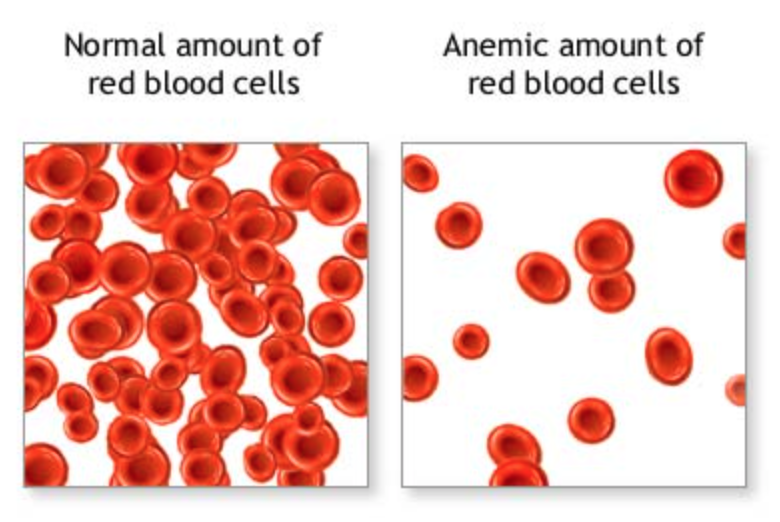
Iron is an essential nutrient found in the hemoglobin. Hemoglobin is the substance found in red blood cells that is responsible for carrying oxygen from your lungs and transporting it throughout your body. When the body does not have enough iron, it cannot make enough cells to carry oxygen. In addition, iron is also beneficial in maintaining healthy skin, hair and nails.

Low iron is usually found when physicians like Dr. Ali Ghahary send patients for routine blood work. Part of that routine blood work usually includes a CBC count (complete blood cell). A CBC measures different components in the blood including the red blood cells, white blood cells, the hemoglobin, hematocrit, and the blood platelets. If you are found to have low iron, it is always recommended that you get proper intake in the form of an iron supplement.

http://twitter.com/dralighahary

How much iron you need is dependent on your age, gender, and your overall health. Women generally need more iron then men as a result of blood loss during menstruation. It is recommended that women between the age of 19 and 50 get at least 18 milligrams of iron per day, whereas men are only required to get 8 milligrams. An individual may also require more iron if they are pregnant or breastfeeding. Individuals on kidney dialysis may also require iron as it can remove iron from the body. Gastrointestinal disorders such as Celiac and Crohn’s can also significantly reduce iron levels.

Symptoms of low iron include weakness, fatigue, shortness of breath, dizziness, pale skin, soreness or swelling of the tongue, cold hands and/or feet, a fast or irregular heartbeat, headaches and brittle nails. Low iron can also lead to anemia – the final stage of having low iron, which occurs when your iron levels or low for a long period of time. As a result, anemia can worsen these symptoms. While the symptoms of low iron are generally quite mild, complications can occur. In severe cases, women who are pregnant may go into premature labour. As such, to prevent this from happening, pregnant women will usually take an iron supplement as a part of their prenatal care. There may also be delayed growth in infants and children, and they may be more prone to developing infections.

As mentioned, low iron is usually treated with iron supplements, which can be found at your local pharmacy. It is recommended that they are taken on an empty stomach so that the body can absorb them better. However, iron supplements are also known to be hard on the stomach, so if you find you are sensitive to the supplement you are able to take them with meals if necessary. It is also important to note that iron supplements can cause constipation and stools that are darker in colour, so do not be alarmed if this happens. If you do have any concerns, always feel free to speak with your pharmacy or physician. Alernatively, iron can also be found in your diet by eating more red meat, nuts, dried fruit, and leafy, dark green vegetables.

More diet information can be found at https://alighahary.wordpress.com/.

Tuesday, January 31, 2017

Regular Checkups Vital for Optimal Health


While a large number of Canadians will oftentimes avoid going to their physician and instead opt to be seen only when absolutely necessary, having regular checkups with your physician is vital in ensuring optimal overall health. Despite the common phrase “An apple a day keeps the doctor away,” it is important to go for annual examinations as a part of your general health maintenance and to identify any illnesses or diseases before they become serious and/or life-threatening. 

Checkups can include assessment of a patient’s blood pressure and weight, along with discussion on diet, alcohol, tobacco and drug use. For more in-depth information on those topics, visit http://alighahary.wordpress.com and http://alighahary.weebly.com.

Dr. Ali Ghahary, a Vancouver MD who practices at Brentwood Medical Clinic, will also ensure that a patient’s immunizations are up to date and send them for routine blood work. This allows for the physician to discover common diseases that aren’t necessarily seen by the naked eye – these include hypo or hyperthyroidism, iron deficiency and kidney function – and are often easily treated with medication. Doing a CBC (Complete Blood Count) also helps to determine the amount of red or white cells in the system, and can even determine certain cancers such as leukemia and lymphoma.

Screenings such as those for colorectal cancer or breast cancer are usually dependent on the age of the patient. In Canada, all provinces offer free breast cancer screening. The Canadian Cancer Society recommends women between the ages of 40 and 49 discuss the risks of breast cancer with their doctor, and it is suggested that women between the ages of 50 and 69 have a mammogram every 2 years. If breast cancer is detected early, you have a better quality of life and may require less treatment, which also means a shorter recovery period. For men, while the majority of prostate cancers are found in those over the age of 50, screening can begin as early as age 40. To check for prostate cancer, two tests are typically done: One known as a Digital Rectal Exam (DRE), as well as a Prostate Specific Antibody (PSA) blood test. 

Children should also have regular checkups with a physician to ensure that their development is at the appropriate stage for their age, that they have good nutrition and hygiene, and that they are also up-to-date on their immunizations. Recommended vaccines include those against chickenpox, influenza, HPV and hepatitis viruses. For an in-depth list of vaccinations available for children, visit KidsHealth.org.

Monday, November 21, 2016

Canadians With Kidney Disease

According to the Kidney Foundation of Canada, an estimated 2.6 million Canadians either have kidney disease or are at risk of developing chronic kidney disease in the future. There are many factors that can lead to one developing kidney disease, such as smoking and a family history of kidney disease, with diabetes and RVD (Renal Vascular Disease) being the two leading causes of kidney failure.

Diabetes is a condition where the body is unable to produce any/enough insulin, which causes an increase in the levels of glucose found in the blood. RVD, otherwise known as Renal Vascular Disease, refers to an array of complications that affect the circulation of blood in the kidneys, which can ultimately cause damage to the tissues of the kidneys, cause high blood pressure, and even lead to kidney failure.

While treatment of kidney disease is usually dependent on any underlying causes, physicians in and around Vancouver’s lower mainland, including Dr. Ali Ghahary at Brentwood Medical Clinic in Burnaby, British Columbia, will usually send patients for simple blood tests or urinalysis to see how the kidneys are functioning. These tests also play a key role in early detection. Treatment of kidney disease will consist of a combination of medications used to help control the symptoms.

As kidney disease can elevate levels of blood pressure and cholesterol, medications are often prescribed to help combat this. Individuals may also suffer from anemia as a result of kidney disease, so supplements of the hormone known as Erythropoietin containing iron will also commonly be prescribed. This will help to relieve tiredness and weakness that is also often associated with kidney disease. Calcium and Vitamin D supplements may also be recommended to prevent the risk of fracture and weak bones that may develop over time, as well as introducing a diet that is low in protein to avoid the kidneys having to overwork themselves.

A team of doctors from British Columbia, including Dr. Andrea Levin, the head of the Division of Nephrology at Vancouver’s University of British Columbia, are currently leading one of Canada’s biggest efforts to improve the type of care those with kidney disease receive by exploring better screening options, especially for those at an increased risk of developing kidney disease, diet education, as well as well as research on drugs that can slow the progression of kidney disease.

Friday, April 15, 2016

Weight Loss and Weight Management

Over 6 million Canadians live with obesity, which is a leading cause of high blood pressure, diabetes, heart disease, and various cancers, and has been categorized as a chronic disease by organizations such as the Canadian Medical Association. As a result, weight loss and weight management has become a constant debate amongst individuals in Canada.

At Brentwood Medical Clinic, Dr. Ali Ghahary encourages his patients to lead healthy lifestyles by way of exercise and healthy eating. While every individual is different when it comes to finding a healthy weight management program, there a few a few basic rules that everyone can follow to lose weight and maintain that loss in the long-run.

  1. Limit your bread intake. Heavy carbohydrates can slow down your metabolism, so it is important to stay away from carbs, including potatoes, white rice, and flour products.
  2. Lower your salt intake. Excess salt intake is detrimental to heart health, and studies have also shown that a lot of salt can actually make you gain weight. Brain scans show that sodium chloride (table salt) triggers a chemic called dopamine, therefore making you want more of that product. Salt also increases thirst, which is fine if you drink a lot of water, but it often makes you want to turn to high-sugar or high-calorie drinks like sodas and juices instead.
  3. Eliminate wine or alcohol. There is a high content of sugar in alcoholic beverages, which will negatively affect blood-sugar levels.
  4. Stay away from sugar. This is self-explanatory. While a little bit of sugar every now and then is okay, most people cannot control the intake, so it is best to cut out sugar from your diet completely. Sugar, like salt, triggers excessive production of dopamine, thus making you crave it more. 
  5. Meditate. Calming exercises like meditation for at least 10 minutes per day can help you focus on your goals and maintain a clear mind about what you want in regards to weight loss and weight management. Aim every single thought at the path of air going in through your nose, down through your throat, and then filling your lungs and following that path again. Tell yourself that you are breathing in success and positivity and releasing out thoughts of negativity and failure. This will go a long way in any weight loss regimen.
  6. Exercise four to six days a week. Exercise is important for maintaining a healthy weight and overall physical functioning. Something as simple as going for a walk for 30 minutes will help you notice a difference in the way you are feeling.
  7. Drink lots of water. Water helps to clear the toxins from your body and keep you satiated in between meals.
  8. Diet with a friend, family member, or in a group. This will help to motivate you to stay on track. It gives you a sense of connection and achievement to start a weight loss program with someone who has the same or similar goals.
  9. Keep a diet journal. Studies show that journaling your goals and keeping track of your profess helps to keep you focused by forcing your mind to accept the process. It eliminates the possibility of getting sidetracked. 
It is important to note that excessive dieting or exercising can take a toll on your body and make you feel less energized. This can often lead to feeling discouraged and finding it difficult to continue with a weight-loss regimen – but again, each individual is different, and it is important to do your research as well as have frank discussions with your doctor about a weight-loss plan.

Thursday, February 4, 2016

Arthritis a Leading Cause of Disability in Canada

Nearly 5 million Canadians suffer from arthritis making it a leading cause of disability in Canada. This number is estimated to grow to 8 million by 2036.

Arthritis is a chronic condition that causes inflammation of the joints. Certain forms of the disease occur when the immune system attacks the body’s tissues. The skin, chest, eyes and other organs can also be affected. While there is no known cure for arthritis, its symptoms can be controlled through diet and exercise, as well as medications.

Joint Pain

At Brentwood Medical Clinic in Burnaby, BC, the most common symptom of arthritis  that patients present to Dr. Ali Ghahary with is joint pain. This condition may also cause limited range of motion, stiffness, loss of   flexibility, difficulty moving, tenderness, muscle aches, and fatigue. In some cases it may also cause impaired lung function, weight loss, swollen lymph nodes and fever. Those with arthritis are more likely to develop depression, heart disease, high cholesterol, and diabetes.

 Smoking and obesity has also been linked to an increased risk of arthritis, such as rheumatoid arthritis and osteoarthritis.

Treatment

Treatment options depend on the type of arthritis. Some patients will require physical therapy, pain relief medications, anti-inflammatory drugs, and in some cases, surgery. The best way to control the symptoms of arthritis is to prevent and reduce the inflammation in your body. A diet high in essential fats and low in gluten, lactose, and allergens can help relieve swollen joints. Green tea, omega-3 fats  and carotenes (cantaloupe, carrots and spinach) have all been said to help alleviate symptoms of arthritis. Patients may also benefit from alternative therapies such as pulsed electromagnetic field therapy.