Showing posts with label Dr. Ali Ghahary Burnaby. Show all posts

Tuesday, March 14, 2017

Chronic Sinusitis

Scan showing sinuses/sinusitis
Chronic Sinusitis, also commonly referred to as Rhinosinusitis, is a recurring condition causing inflammation of the nasal passages in addition to mucus buildup, causing a vast array of symptoms. Chronic sinusitis has a reported prevalence of 5% in Canada, which increases with age, as well an increased prevalence in individuals with other chronic health conditions such as asthma and COPD (Chronic Obstructive Pulmonary Disease.) 

The symptoms of chronic sinusitis, the common cold and allergies can all be similar. Each of these conditions can cause the patient to have a congested or runny nose, headache, cough, ear pain/pressure, and even fatigue. When trying to determine whether you have chronic sinusitis, Vancouver physicians like Dr. Ali Ghahary will perform routine examinations by checking to see if you have tenderness in the nose or face and will also ask if you have discolouration of nasal discharge or nasal obstruction, which may oftentimes be indicative of a sinus infection. To confirm a suspect sinus infection, your physician may give you a requisition for an X-Ray, which can often be done by walking into any Radiology clinic without any appointment necessary, or send you for a CT Scan or MRI, which is typically done by appointment at any Vancouver or Lower Mainland hospital. These kinds of imaging scans will help to detect deep inflammation within the sinuses as well as confirm whether or not any infection is present, and will help guide your physician on the appropriate treatment required.

Nasal Polyps
Causes of chronic sinusitis include nasal polyps (growth of tissue that blocks the sinuses and/or nasal passages), a deviated or damaged septum (restricts or blocks the nasal passages), and respiratory infections (can be viral, bacterial or fungal.) Other medical conditions such as gastroesophageal reflux and other immune system related disorders have also been linked to the development of chronic sinusitis. You are also at a greater risk of developing chronic sinusitis if you have asthma or are exposed to pollutants such as smoke (or secondhand smoke.) Serious complications of chronic sinusitis include vision problems, potential or complete loss of your sense of smell, and meningitis.

Treatment of chronic sinusitis is dependent on the symptoms and their level of severity. If less than 7 days, chronic sinusitis is typically treated symptomatically; with intranasal corticosteroids (such as Nasonex) being prescribed in effort to help reduce inflammation and alleviate the symptoms you may be experiencing. Other treatment may include immunotherapy (allergy shots) to decrease the body’s reaction to certain allergens. If you are non-responsive to treatment or if the duration of symptoms is greater than 7 days (in addition to imaging showing a present infection), the likelihood of a bacterial infection increases and physicians like Dr. Ali Ghahary will then consider prescribing antibiotics to the patient. In recurring cases, as well as with persisting severe symptoms, a referral to an Ear, Nose and Throat specialist in Vancouver (or the surrounding area) may be required to determine if any further treatment, such as Endoscopic sinus surgery, is necessary. Endoscopic sinus surgery is usually done as a last resort when treatment has not been effective, and will remove any inflamed tissue or nasal polyps, as well as enlarge narrow sinus openings to help sinus drainage.

Monday, February 20, 2017

Iron Deficiency - Symptoms and Treatmeant Options

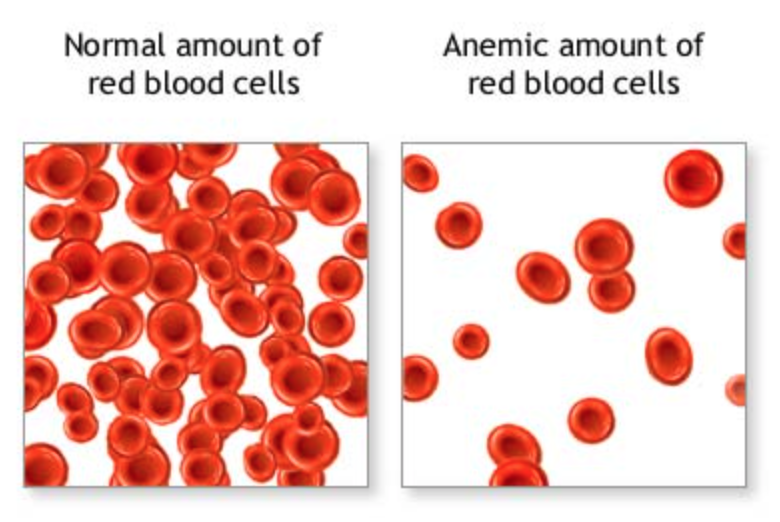
Iron is an essential nutrient found in the hemoglobin. Hemoglobin is the substance found in red blood cells that is responsible for carrying oxygen from your lungs and transporting it throughout your body. When the body does not have enough iron, it cannot make enough cells to carry oxygen. In addition, iron is also beneficial in maintaining healthy skin, hair and nails.

Low iron is usually found when physicians like Dr. Ali Ghahary send patients for routine blood work. Part of that routine blood work usually includes a CBC count (complete blood cell). A CBC measures different components in the blood including the red blood cells, white blood cells, the hemoglobin, hematocrit, and the blood platelets. If you are found to have low iron, it is always recommended that you get proper intake in the form of an iron supplement.

http://twitter.com/dralighahary

How much iron you need is dependent on your age, gender, and your overall health. Women generally need more iron then men as a result of blood loss during menstruation. It is recommended that women between the age of 19 and 50 get at least 18 milligrams of iron per day, whereas men are only required to get 8 milligrams. An individual may also require more iron if they are pregnant or breastfeeding. Individuals on kidney dialysis may also require iron as it can remove iron from the body. Gastrointestinal disorders such as Celiac and Crohn’s can also significantly reduce iron levels.

Symptoms of low iron include weakness, fatigue, shortness of breath, dizziness, pale skin, soreness or swelling of the tongue, cold hands and/or feet, a fast or irregular heartbeat, headaches and brittle nails. Low iron can also lead to anemia – the final stage of having low iron, which occurs when your iron levels or low for a long period of time. As a result, anemia can worsen these symptoms. While the symptoms of low iron are generally quite mild, complications can occur. In severe cases, women who are pregnant may go into premature labour. As such, to prevent this from happening, pregnant women will usually take an iron supplement as a part of their prenatal care. There may also be delayed growth in infants and children, and they may be more prone to developing infections.

As mentioned, low iron is usually treated with iron supplements, which can be found at your local pharmacy. It is recommended that they are taken on an empty stomach so that the body can absorb them better. However, iron supplements are also known to be hard on the stomach, so if you find you are sensitive to the supplement you are able to take them with meals if necessary. It is also important to note that iron supplements can cause constipation and stools that are darker in colour, so do not be alarmed if this happens. If you do have any concerns, always feel free to speak with your pharmacy or physician. Alernatively, iron can also be found in your diet by eating more red meat, nuts, dried fruit, and leafy, dark green vegetables.

More diet information can be found at https://alighahary.wordpress.com/.

Thursday, December 22, 2016

Ear Infections in Children

Dr. Ali Ghahary is an experienced physician in Greater Vancouver, practicing at Burnaby’s Brentwood Medical Clinic – a combined family practice and walk-in clinic – where he sees patients ranging in age from elderly to infants. Children have accounted for over 80% of doctor visits in North America in the last year alone, with 5 out of 6 children in Canada having had at least one ear infection before they turn 3 years old, and it is one of the leading reasons for a parent to take their child to see a physician.

As most ear infections in children occur before they are able to fully speak, it is important to watch out for the signs and symptoms that may indicate that your child has developed an ear infection. These signs and symptoms include pain, constant tugging at the ears, unusual fussiness, difficulty sleeping, difficulty with balance, trouble hearing, and a fever.

Children are more prone to developing ear infections than adults due to their immune systems not being fully developed, thus making them unable to fight infections as well as adults. Eustachian tubes in children are also smaller than those in adults, which makes the drainage of ear fluid also difficult. Ear infections usually develop in children as a secondary infection and are commonly the result of a child having had a cold or other upper respiratory infection.

There are three types of ear infections, all with varying symptoms. The most common form of ear infection is Acute Otitis Media (AOM). AOM affects the middle ear, and usually results in it being swollen, causing fluid to get trapped behind the eardrum. A child with AOM will notice pain and may develop a fever. The second most common form of ear infection is Otitis Media with Effusion (OME). OME typically happens once an ear infection has been treated and is no longer present, but results in fluid remaining trapped behind the ear drum. There are usually no symptoms present with OME. Lastly, Chronic Otitis Media with Effusion (COME). This is a result of fluid remaining in and failing to drain from the middle ear, even when there is no infection present. However, Chronic Otitis Media can make it difficult to treat new ear infections that may develop, and can also have a significant impact a child’s hearing.

In order to diagnose whether or not your child may have an ear infection, Vancouver physicians like Dr. Ali Ghahary will ask a child’s parent or guardian a series of questions about their general health, and will also look in the child’s ear using a lighted instrument scientifically known as an Otoscope. Upon inspection, if the eardrum looks swollen or red, that is usually indicative that an infection is present. To treat the infection, Vancouver physicians will prescribe a course of antibiotics for 7 to 10 days – usually Amoxicillin – as well as recommend over-the-counter pain relievers such as Ibuprofen or Acetaminophen to help reduce pain, inflammation and ever. In cases where the physician is unable to make a definitive diagnosis of an infection, they may require that you wait a couple of days to see if the child’s symptoms improve. If the child is not better within 48 to 72 hours, then antibiotic therapy will be started. Once antibiotic therapy has begun, your child should begin to feel better within a few days time. If your child is still feeling unwell after approximately 3 days of being antibiotics, it is important to let your physician know as they may need to prescribe a different antibiotic.

In order to prevent ear infections it is important to practice good hygiene including frequent hand washing. It is also a good idea to get your child vaccinated against the flu, and to ensure that they are not around other sick children. For more information on the flu vaccine and ways to prevent bacterial infections, click here. Dr. Ali Ghahary can also be found on Twitter, Facebook and Instagram.

Monday, November 21, 2016

Canadians With Kidney Disease

According to the Kidney Foundation of Canada, an estimated 2.6 million Canadians either have kidney disease or are at risk of developing chronic kidney disease in the future. There are many factors that can lead to one developing kidney disease, such as smoking and a family history of kidney disease, with diabetes and RVD (Renal Vascular Disease) being the two leading causes of kidney failure.

Diabetes is a condition where the body is unable to produce any/enough insulin, which causes an increase in the levels of glucose found in the blood. RVD, otherwise known as Renal Vascular Disease, refers to an array of complications that affect the circulation of blood in the kidneys, which can ultimately cause damage to the tissues of the kidneys, cause high blood pressure, and even lead to kidney failure.

While treatment of kidney disease is usually dependent on any underlying causes, physicians in and around Vancouver’s lower mainland, including Dr. Ali Ghahary at Brentwood Medical Clinic in Burnaby, British Columbia, will usually send patients for simple blood tests or urinalysis to see how the kidneys are functioning. These tests also play a key role in early detection. Treatment of kidney disease will consist of a combination of medications used to help control the symptoms.

As kidney disease can elevate levels of blood pressure and cholesterol, medications are often prescribed to help combat this. Individuals may also suffer from anemia as a result of kidney disease, so supplements of the hormone known as Erythropoietin containing iron will also commonly be prescribed. This will help to relieve tiredness and weakness that is also often associated with kidney disease. Calcium and Vitamin D supplements may also be recommended to prevent the risk of fracture and weak bones that may develop over time, as well as introducing a diet that is low in protein to avoid the kidneys having to overwork themselves.

A team of doctors from British Columbia, including Dr. Andrea Levin, the head of the Division of Nephrology at Vancouver’s University of British Columbia, are currently leading one of Canada’s biggest efforts to improve the type of care those with kidney disease receive by exploring better screening options, especially for those at an increased risk of developing kidney disease, diet education, as well as well as research on drugs that can slow the progression of kidney disease.

Friday, August 19, 2016

UV Protection

Nice weather is always a great excuse to get outdoors and be active. However, you should always ensure that you are taking extra precautions to avoid heat-related illness and other health problems associated with overexposure to UV rays. Below is a look at some further insight and recommendations from Dr. Ali Ghahary, a family physician at Brentwood Medical Clinic in Burnaby, British Columbia, Canada.

Firstly, it is important to know the difference between the types of UV radiation that exist. While UVC rays are the strongest, they are the least concerning as the ozone layer prevents them from reaching the earth. On the other hand, UVA and UVB rays are the most concerning and should be taken very seriously as they can cause irreparable damage. Whether you are exposed to natural sunlight or artificial ultraviolet rays, you are at risk of developing heat stroke, severe sunburn, skin damage, and even damage to your eyes.

Just as we would wear sunscreen to prevent sunburn, it is also important to protect the eyes; therefore, if you are going to be in an environment that leaves you exposed to ultraviolet rays, it is also recommended that you wear sunglasses. Both natural and artificial UV radiation can cause severe damage to the eyes, including damage to the cornea and the lens, as well as burning the frontal surface of the eyes (similar to a sunburn.) Failure to protect your eyes from UV rays can lead to both short-term as well as long-term, serious health effects, including a higher risk of developing cataracts, irreversible damage to the retina, chronic eye problems, and even skin cancer. 

When looking for a pair of sunglasses that will give your eyes enough protection, you should make sure they are free of any distortion and ensure that they screen out at least 75% (and up to 90%) of visible light, and block 99% of UVA and UVB radiation. Wrap-around frames will also provide you with increased protection.

Tuesday, August 9, 2016

Systemic Lupus Erythematosus (SLE)

Lupus Awareness
Systemic Lupus Erythematosus (SLE), or simply commonly referred to as Lupus, is an autoimmune disease that attack’s the body’s healthy tissues and organs by producing antibodies causing inflammation. As many as 15,000 (or 1 in 2,000) Canadians are affected by the disease, and it can develop in individuals of all age groups and genders. However, it most commonly affects those between the ages of 15 and 44, and is generally diagnosed more frequently in women than men.

There is no known cause of lupus, however research has suggested that there may be genetic predispositions to the disease along with environmental & hormonal factors, and stress. Up to 5% of children born to individuals diagnosed with lupus will also develop the disease.

SLE commonly affects multiple parts of the body. Some early symptoms include muscle and joint pain, chronic fatigue, low-grade fever, and skin rash. There are several other manifestations of lupus which includes sensitivity to sunlight, loss of appetite, swollen glands, hair loss, dry eyes and/or mouth, oral ulcers, arthritis, changes in skin colour due to poor circulation, and blood abnormalities such as anemia or a low platelet count. Those diagnosed with lupus also have an increased risk of developing blood clots in addition to severe internal organ problems, including kidney, lung and heart disease, as well as brain and other neurological manifestations. These symptoms vary from person to person and can range from mild to severe.

Treatment of lupus is dependent on the symptoms of each patient, but the central objective is to avert potential damage to the organs by decreasing the body’s inflammation. If symptoms are mild, Dr. Ali Ghahary will suggest the use of anti-malarial medications in addition to non-steroidal anti-inflammatories (NSAIDs) such as Naproxen. In cases where symptoms are severe, patients will be prescribed immunosuppressants to control flare-ups of inflammation when other medications such as steroids have been unsuccessful or not well tolerated. It is important to note that long-term use of immunosuppressants can lead to other severe side effects, health problems, and increased infection, so it is important to weigh the risks and benefits of these medications with your primary care physician.