Wednesday, February 22, 2017

The Importance of Medical Imaging

For general practitioners in Vancouver, British Columbia like Dr. Ali Ghahary, medical imaging plays an important role in helping to determine certain diseases, cancers, and other health problems that cannot be immediately detected, and has immense benefits for both physicians and patients. Medical imaging has been a revolutionary part of health care for many decades and can detect certain health conditions at an early stage, thus providing patients and their families with the most appropriate and effective treatment, and the best outcomes possible.

Below is a look at some of the different types of medical imaging procedures.

X-Rays
The most common form of medical imaging, an X-Ray produces a detailed 2D image of internal body structures such as bones. Depending on which part of the body is being scanned, you may be asked to stand up or lie down for an X-Ray. You will also be asked to remove any jewellery or other items containing metal prior to the scan, as these can cause inaccurate scans or “ghost images.” In certain cases, a contrast agent may be administered to the patient via IV. Contrast helps to enhance the visibility of the structures being scanned. When contrast is being given, patients may notice a sensation of warmth or the feeling of having to urinate – this is not uncommon. There may be delayed side effects to IV contrast such as skin rash, nausea, vomiting, diarrhea and headaches, but these are rare. X-Rays are fast, taking no longer than 15 minutes in most cases, and they are also non-invasive. While X-Rays are generally safe during pregnancy, they are not recommended for women who are or may be pregnant due to the high exposure to radiation, the possibility of cell damage, and the risk of developing cancer, therefore in cases of pregnancy it is only recommended that X-Rays are done if it is an emergency. 

X-Ray


CT Scan (Computed Tomography)
CT scans, also referred to as a CAT Scan, are another common form of medical imaging, and are used to produce 3D images of your body’s structures. This includes bones, organs and blood vessels. Soft tissue, however, is less visible on CT scans, and may require an MRI to be seen properly.

CT Scan


MRI (Magnetic Resonance Imaging)
MRI’s are often the preferred choice of medical imaging in comparison to X-Rays and CT Scans, as they do not use ionizing radiation. Instead, your body is exposed to a magnetic field and radio waves, which then produce 3D images. MRI’s are used to diagnose various health conditions and can produce photographs of internal body structures such as bones, joints, the brain, spinal cord, heart, blood vessels and other organs. On average, an MRI can vary from 30 to 60 minutes dependent on the part of the body that is being scanned. Similar in look to a CT scan, an MRI is a circular, tunnel-like machine, about 1.5 metres in length. Some patients may find an MRI to be claustrophobic, resulting in panic attacks, and may need to take anti-anxiety medication approximately half an hour before the procedure. This medication can be prescribed by your family physician. In rare cases, especially in children who tend to move around more, general anesthetic may also be administered.

MRI


Ultrasound / Sonogram
An ultrasound is a safe test that uses high-frequency sound waves, rather than radiation. Ultrasounds can capture images of your body’s soft-tissue structures such as the gallbladder, kidneys, liver, pancreas and bladder, and can also determine blood flow and detect blockages in arteries. For women who are pregnant, an ultrasound is commonly referred to as a sonogram. A sonogram is typically administered anywhere from 18 to 20 weeks, but can also be done earlier to determine a baby’s due date. They are a great test to ensure that you are having a healthy pregnancy. In the first trimester, a sonogram can let you know how many babies you are carrying, as well as the baby’s heart rate, and show the umbilical cord and placenta. Sonograms are more detailed in the second trimester of pregnancy, showing images of the head/face, heart, limbs, spine and abdomen.

Ultrasound


Monday, February 20, 2017

Iron Deficiency - Symptoms and Treatmeant Options

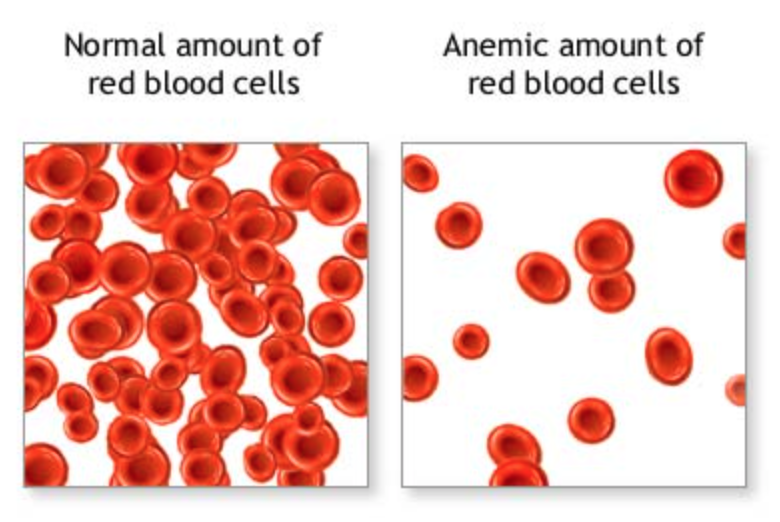
Iron is an essential nutrient found in the hemoglobin. Hemoglobin is the substance found in red blood cells that is responsible for carrying oxygen from your lungs and transporting it throughout your body. When the body does not have enough iron, it cannot make enough cells to carry oxygen. In addition, iron is also beneficial in maintaining healthy skin, hair and nails.

Low iron is usually found when physicians like Dr. Ali Ghahary send patients for routine blood work. Part of that routine blood work usually includes a CBC count (complete blood cell). A CBC measures different components in the blood including the red blood cells, white blood cells, the hemoglobin, hematocrit, and the blood platelets. If you are found to have low iron, it is always recommended that you get proper intake in the form of an iron supplement.

http://twitter.com/dralighahary

How much iron you need is dependent on your age, gender, and your overall health. Women generally need more iron then men as a result of blood loss during menstruation. It is recommended that women between the age of 19 and 50 get at least 18 milligrams of iron per day, whereas men are only required to get 8 milligrams. An individual may also require more iron if they are pregnant or breastfeeding. Individuals on kidney dialysis may also require iron as it can remove iron from the body. Gastrointestinal disorders such as Celiac and Crohn’s can also significantly reduce iron levels.

Symptoms of low iron include weakness, fatigue, shortness of breath, dizziness, pale skin, soreness or swelling of the tongue, cold hands and/or feet, a fast or irregular heartbeat, headaches and brittle nails. Low iron can also lead to anemia – the final stage of having low iron, which occurs when your iron levels or low for a long period of time. As a result, anemia can worsen these symptoms. While the symptoms of low iron are generally quite mild, complications can occur. In severe cases, women who are pregnant may go into premature labour. As such, to prevent this from happening, pregnant women will usually take an iron supplement as a part of their prenatal care. There may also be delayed growth in infants and children, and they may be more prone to developing infections.

As mentioned, low iron is usually treated with iron supplements, which can be found at your local pharmacy. It is recommended that they are taken on an empty stomach so that the body can absorb them better. However, iron supplements are also known to be hard on the stomach, so if you find you are sensitive to the supplement you are able to take them with meals if necessary. It is also important to note that iron supplements can cause constipation and stools that are darker in colour, so do not be alarmed if this happens. If you do have any concerns, always feel free to speak with your pharmacy or physician. Alernatively, iron can also be found in your diet by eating more red meat, nuts, dried fruit, and leafy, dark green vegetables.

More diet information can be found at https://alighahary.wordpress.com/.

Tuesday, January 31, 2017

Regular Checkups Vital for Optimal Health


While a large number of Canadians will oftentimes avoid going to their physician and instead opt to be seen only when absolutely necessary, having regular checkups with your physician is vital in ensuring optimal overall health. Despite the common phrase “An apple a day keeps the doctor away,” it is important to go for annual examinations as a part of your general health maintenance and to identify any illnesses or diseases before they become serious and/or life-threatening. 

Checkups can include assessment of a patient’s blood pressure and weight, along with discussion on diet, alcohol, tobacco and drug use. For more in-depth information on those topics, visit http://alighahary.wordpress.com and http://alighahary.weebly.com.

Dr. Ali Ghahary, a Vancouver MD who practices at Brentwood Medical Clinic, will also ensure that a patient’s immunizations are up to date and send them for routine blood work. This allows for the physician to discover common diseases that aren’t necessarily seen by the naked eye – these include hypo or hyperthyroidism, iron deficiency and kidney function – and are often easily treated with medication. Doing a CBC (Complete Blood Count) also helps to determine the amount of red or white cells in the system, and can even determine certain cancers such as leukemia and lymphoma.

Screenings such as those for colorectal cancer or breast cancer are usually dependent on the age of the patient. In Canada, all provinces offer free breast cancer screening. The Canadian Cancer Society recommends women between the ages of 40 and 49 discuss the risks of breast cancer with their doctor, and it is suggested that women between the ages of 50 and 69 have a mammogram every 2 years. If breast cancer is detected early, you have a better quality of life and may require less treatment, which also means a shorter recovery period. For men, while the majority of prostate cancers are found in those over the age of 50, screening can begin as early as age 40. To check for prostate cancer, two tests are typically done: One known as a Digital Rectal Exam (DRE), as well as a Prostate Specific Antibody (PSA) blood test. 

Children should also have regular checkups with a physician to ensure that their development is at the appropriate stage for their age, that they have good nutrition and hygiene, and that they are also up-to-date on their immunizations. Recommended vaccines include those against chickenpox, influenza, HPV and hepatitis viruses. For an in-depth list of vaccinations available for children, visit KidsHealth.org.