Showing posts with label ali ghahary burnaby. Show all posts

Monday, February 20, 2017

Iron Deficiency - Symptoms and Treatmeant Options

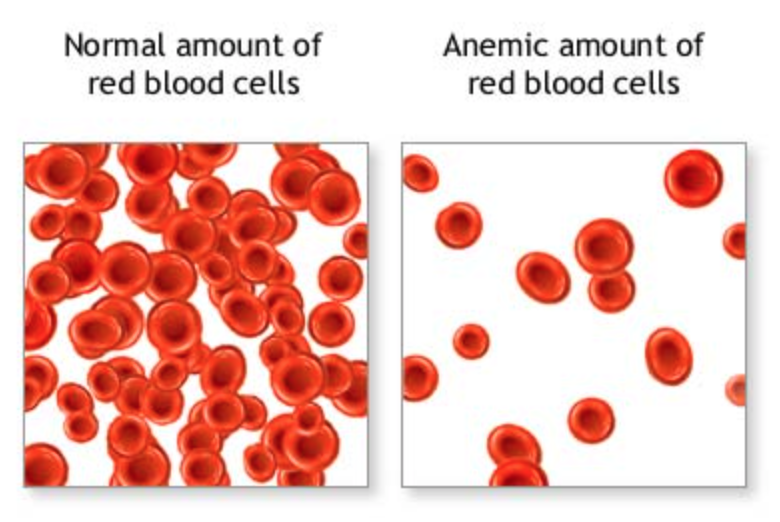
Iron is an essential nutrient found in the hemoglobin. Hemoglobin is the substance found in red blood cells that is responsible for carrying oxygen from your lungs and transporting it throughout your body. When the body does not have enough iron, it cannot make enough cells to carry oxygen. In addition, iron is also beneficial in maintaining healthy skin, hair and nails.

Low iron is usually found when physicians like Dr. Ali Ghahary send patients for routine blood work. Part of that routine blood work usually includes a CBC count (complete blood cell). A CBC measures different components in the blood including the red blood cells, white blood cells, the hemoglobin, hematocrit, and the blood platelets. If you are found to have low iron, it is always recommended that you get proper intake in the form of an iron supplement.
http://twitter.com/dralighahary

How much iron you need is dependent on your age, gender, and your overall health. Women generally need more iron then men as a result of blood loss during menstruation. It is recommended that women between the age of 19 and 50 get at least 18 milligrams of iron per day, whereas men are only required to get 8 milligrams. An individual may also require more iron if they are pregnant or breastfeeding. Individuals on kidney dialysis may also require iron as it can remove iron from the body. Gastrointestinal disorders such as Celiac and Crohn’s can also significantly reduce iron levels.

Symptoms of low iron include weakness, fatigue, shortness of breath, dizziness, pale skin, soreness or swelling of the tongue, cold hands and/or feet, a fast or irregular heartbeat, headaches and brittle nails. Low iron can also lead to anemia – the final stage of having low iron, which occurs when your iron levels or low for a long period of time. As a result, anemia can worsen these symptoms. While the symptoms of low iron are generally quite mild, complications can occur. In severe cases, women who are pregnant may go into premature labour. As such, to prevent this from happening, pregnant women will usually take an iron supplement as a part of their prenatal care. There may also be delayed growth in infants and children, and they may be more prone to developing infections.

As mentioned, low iron is usually treated with iron supplements, which can be found at your local pharmacy. It is recommended that they are taken on an empty stomach so that the body can absorb them better. However, iron supplements are also known to be hard on the stomach, so if you find you are sensitive to the supplement you are able to take them with meals if necessary. It is also important to note that iron supplements can cause constipation and stools that are darker in colour, so do not be alarmed if this happens. If you do have any concerns, always feel free to speak with your pharmacy or physician. Alernatively, iron can also be found in your diet by eating more red meat, nuts, dried fruit, and leafy, dark green vegetables.

More diet information can be found at https://alighahary.wordpress.com/.

Thursday, December 1, 2016

BC Children’s Hospital

Part of Dr. Ali Ghahary’s commitment as a physician in Vancouver is to ensure patients and their families receive exceptional healthcare from medical facilities in this Province, including BC Children’s Hospital – the only full-service, pediatric acute care hospital in British Columbia. In doing so, Dr. Ali Ghahary participates in the ‘Grind for kids’, an annual fundraiser by the BC Children’s Hospital Foundation in effort to raise funds so that they can continue to provide children in British Columbia and the Yukon with exemplary care.

http://instagram.com/alighahary

BC Children’s Hospital’s roots date back to 1923, when a fund was established for crippled children by the BC Women’s Institute in Vancouver. They continued to make groundbreaking achievements for pediatric care over the years, and in 1982 construction was completed for a $60 million, 29,730 square-metre, 250 acute-care bed facility. Since then, BC Children’s Hospital has continued to make advanced breakthroughs over the years, and is now home to approximately 90,000 patients and their families each year – operating 55 different clinics in its Ambulatory Care building. As many as 9,000 children and adolescents hospitalized at BC Children’s Hospital required surgery last year alone, with more than 1,000 children being admitted to the hospital’s pediatric intensive care unit, and over 700 undergoing treatment for cancer.


In 2006, BC Children’s Hospital launched the ‘Healthy Buddies’ initiative in schools across the Province, which focused on health promotion by providing education on body image, nutrition and physical activity. In 2006, BC Children’s Hospital launched an all-new mental health building as part of their Child Youth & Mental Health program, funded in part by the Government as well as donations. This Vancouver-based facility provides long-term psychiatric care and eating disorder programs, receiving over 25,000 outpatient visits from children and adolescents up to the age of 18.


As healthcare continues to progress over the years, the top priority of the BC Children’s Hospital Foundation is to ensure that the are up-to-date with today’s technology and treatment availability, and with $150 million contributed by donors they are currently in the process of building a brand-new Children’s Hospital – the Teck Acute Care Centre – a modern diagnostic facility in Vancouver that will be better able to manage the needs of children with chronic conditions such as cystic fibrosis and cancer, as well as complex surgeries. The Teck Acute Care Centre will also be able to better accommodate families by providing them with private rooms rather than open-wards.

For more information on BC Children’s Hospital and how you can donate, visit http://bcchf.ca.

You can also find Dr. Ghahary on Instagram at http://instagram.com/alighahary and Twitter at http://twitter.com/dralighahary.

Monday, November 21, 2016

Canadians With Kidney Disease

According to the Kidney Foundation of Canada, an estimated 2.6 million Canadians either have kidney disease or are at risk of developing chronic kidney disease in the future. There are many factors that can lead to one developing kidney disease, such as smoking and a family history of kidney disease, with diabetes and RVD (Renal Vascular Disease) being the two leading causes of kidney failure.

Diabetes is a condition where the body is unable to produce any/enough insulin, which causes an increase in the levels of glucose found in the blood. RVD, otherwise known as Renal Vascular Disease, refers to an array of complications that affect the circulation of blood in the kidneys, which can ultimately cause damage to the tissues of the kidneys, cause high blood pressure, and even lead to kidney failure.

While treatment of kidney disease is usually dependent on any underlying causes, physicians in and around Vancouver’s lower mainland, including Dr. Ali Ghahary at Brentwood Medical Clinic in Burnaby, British Columbia, will usually send patients for simple blood tests or urinalysis to see how the kidneys are functioning. These tests also play a key role in early detection. Treatment of kidney disease will consist of a combination of medications used to help control the symptoms.

As kidney disease can elevate levels of blood pressure and cholesterol, medications are often prescribed to help combat this. Individuals may also suffer from anemia as a result of kidney disease, so supplements of the hormone known as Erythropoietin containing iron will also commonly be prescribed. This will help to relieve tiredness and weakness that is also often associated with kidney disease. Calcium and Vitamin D supplements may also be recommended to prevent the risk of fracture and weak bones that may develop over time, as well as introducing a diet that is low in protein to avoid the kidneys having to overwork themselves.

A team of doctors from British Columbia, including Dr. Andrea Levin, the head of the Division of Nephrology at Vancouver’s University of British Columbia, are currently leading one of Canada’s biggest efforts to improve the type of care those with kidney disease receive by exploring better screening options, especially for those at an increased risk of developing kidney disease, diet education, as well as well as research on drugs that can slow the progression of kidney disease.

Tuesday, August 2, 2016

Living with PTSD

PTSD (Post-Traumatic Stress Disorder) is a form of anxiety that materializes after a traumatic event. According to researches from McMaster University in Hamilton, Ontario, as many as 2.4% of Canada’s population experience symptoms relating to PTSD at any given time, and a staggering 76% of individuals have reported being exposed to at least one traumatic event that was sufficient enough to cause PTSD.

Traumatic events causing PTSD can include experiencing or being a witness to natural disasters (hurricanes, earthquakes), major accidents (workplace, automobile, aircraft), criminal activity (burglary, physical violence, abuse) and military combat. Most individuals with PTSD do not experience symptoms immediately; they can appear up to 3 months after a traumatic event, or even years later. These symptoms include a constant feeling of fear or anxiousness, crying, feeling on edge, recurring thoughts and flashbacks, nightmares, inability to concentrate or make decisions, anger/resentment, feelings of guilt, avoidance, emotional withdrawal, dizziness and upset stomach.

Our body’s nervous system has 3 days of dealing with stressful events. These are via social engagementmobilization, and immobilization. Social engagement is one’s way of listening, speaking, and making eye contact, which is usually avoided in those with PTSD. Immobilization is the body’s way of feeling the need to defend itself, a “fight or flight” response, and increased blood pressure. Immobilization is the feeling of being overwhelmed and unable to calm down.

While PTSD can affect anyone, there are certain individuals that are considered to be higher risk. A study done by the University of British Columbia discovered that emergency personnel such as nurses, doctors, paramedics, police officers, firefighters and war veterans were at risk of being diagnosed with PTSD at a much higher rate than the average individual. Women were also twice as likely to be diagnosed with PTSD than men, though it’s unclear why. It can also affect children, though the symptoms can appear slightly different than those in adults. Signs your child make be experiencing PTSD include fear of separation from family, sleep problems, and the loss of acquired skills such as toilet training.

The most common treatment for PTSD is the use of SSRI (Serotonin Reuptake Inhibitor) medications to manage symptoms in combination with CBT (Cognitive Behavioural Therapy), which helps individuals cope with and change any harmful thoughts or feelings they may have relating to any traumatic events experienced. Exposure Therapy, which is also a part of CBT, is also used. ET is a carefully guided form of treatment that makes the patient gradually relive certain traumas in order to face their fears head on. Dr. Ali Ghahary also recommends patients attend support groups, as having people to relate and talk to can make you feel less isolated and alone.

Some other helpful tips in dealing with PTSD include breathing exercises as well as engaging in regular physical activity – you do not need to have a strenuous workout, but something as simple as 30 minutes of walking each day can be beneficial to not only the mind, but the body as well. You should also avoid drugs and alcohol, and make sure you are getting a proper sleep each night.

For those dealing with loved ones who suffer from PTSD, it is important to educate yourself on certain triggers that can cause your friend or family member feelings of discomfort, and also to be supportive.

Tuesday, July 26, 2016

Chronic Fatigue

We all know what feeling tired is like – it can happen after a long day at work or strenuous physical activity. Tiredness is the body’s natural reaction to any kind of exertion. As a result, we must allow our bodies time to rest in order to allow it the capability to function as normal and perform new duties. However, if you are feeling tired after very little activity, if it is constant, and is not relieved by rest, you may suffer from something called Chronic Fatigue.

Chronic fatigue, a diagnosis that was once dubious amongst those in the medial field, is now being accepted as a true medical disorder, with just under 400,000 Canadians having been diagnosed. It typically affects individuals over the age of 40, with the majority of chronic fatigue sufferers being women. Certain viral infections such as the Epstein-Barr virus, hypotension (low blood pressure), a weakened immune system and hormonal imbalances have all been suspected to play a part in the diagnosis of chronic fatigue, but there has been no direct link between them. With no current cure for chronic fatigue, treatment is focused solely on the symptoms that are presented by the patient. 

Below are some common symptoms of chronic fatigue:

Excessive tiredness (lasting longer than 24 hours)
Mental exhaustion
Inability to focus/concentrate
Memory loss
Headaches
Muscle pain

It is also important to rule out any other potential causes of your tiredness, as there are other conditions with symptoms that mimic those of chronic fatigue such as Lyme disease, lupus, mononucleosis, hypothyroidism, fibromyalgia and even depression.

Perhaps the most important thing one can do to relieve symptoms associated to chronic fatigue is by making lifestyle changes, something Dr. Ali Ghahary already recommends to his patients under many different circumstances and for certain health conditions. These lifestyle changes include making dietary changes, and limiting or all together eliminating intake of caffeinated beverages such as coffee and sodas (doing so well help you get a better night’s rest.) You should also limit your use of nicotine and alcohol, and ensure that you are not overexerting yourself during the day, especially when involved in any physical activity. It may also be a good idea to work with a trainer or physical therapist to help you with an easy exercise routine. Alternative medicine such as acupuncture, yoga and massage therapy have also been found to be constructive for chronic fatigue sufferers, but you should always check with your physician beforehand.

Tuesday, July 19, 2016

Symptoms and Treatment for Insomnia


Insomnia is a common sleep disorder that affects 3.3 million Canadians aged 15 or older, and with 18% of sufferers reporting they get less than 5 hours of sleep each night. It can be a short-term or ongoing condition. Studies have shown that insomnia affects more women than men, and it is also linked to individuals who are middle-aged, as well as those who suffer from chronic pain, stress and obesity.

In acute cases, insomnia is typically brought on by stress, certain pressures in life, or traumatic events, and can last for days or weeks at a time. In chronic cases, insomnia can last up to a month or longer, and is oftentimes a secondary symptom of other health problems, sleep disorders, or substances in the body such as certain prescription medications, alcohol, or even caffeinated beverages and tobacco – which effects can last as long as 8 hours. If left untreated, insomnia can cause a severe lack of energy, irritability, and even depression and anxiety. Other symptoms of insomnia include poor concentration, muscle aches and a decreased level of alertness.

There are some simple habits that Dr. Ali Ghahary suggests in order to avoid potential sleep disruptions – these include listening to calming music to relax, limiting your use of any distractions such as television or computers, not eating any heavy meals at least 5 to 6 hours before bedtime, as well as setting a sleep schedule. Other non-medical treatments for insomnia that may be beneficial include attending cognitive behavioural therapy session (which is great for relieving stress and anxiety), meditation, and stimulus. If those are unsuccessful, medications such as benzodiazepine hypnotics and melatonin receptor agents may be prescribed, but it is important to weigh the risks and benefits of these types of medications with your physician.