Iron is an essential nutrient found in the hemoglobin. Hemoglobin is the substance found in red blood cells that is responsible for carrying oxygen from your lungs and transporting it throughout your body. When the body does not have enough iron, it cannot make enough cells to carry oxygen. In addition, iron is also beneficial in maintaining healthy skin, hair and nails.
Low iron is usually found when physicians like Dr. Ali Ghahary send patients for routine blood work. Part of that routine blood work usually includes a CBC count (complete blood cell). A CBC measures different components in the blood including the red blood cells, white blood cells, the hemoglobin, hematocrit, and the blood platelets. If you are found to have low iron, it is always recommended that you get proper intake in the form of an iron supplement.
 |
| http://twitter.com/dralighahary |
How much iron you need is dependent on your age, gender, and your overall health. Women generally need more iron then men as a result of blood loss during menstruation. It is recommended that women between the age of 19 and 50 get at least 18 milligrams of iron per day, whereas men are only required to get 8 milligrams. An individual may also require more iron if they are pregnant or breastfeeding. Individuals on kidney dialysis may also require iron as it can remove iron from the body. Gastrointestinal disorders such as Celiac and Crohn’s can also significantly reduce iron levels.
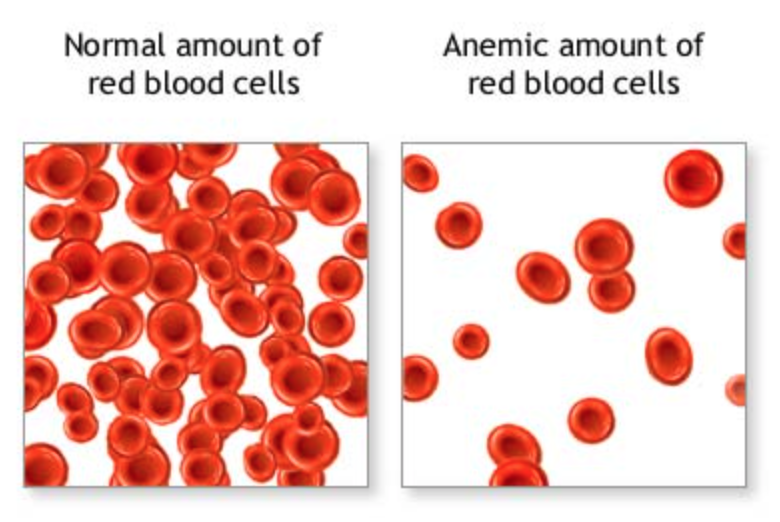
Symptoms of low iron include weakness, fatigue, shortness of breath, dizziness, pale skin, soreness or swelling of the tongue, cold hands and/or feet, a fast or irregular heartbeat, headaches and brittle nails. Low iron can also lead to anemia – the final stage of having low iron, which occurs when your iron levels or low for a long period of time. As a result, anemia can worsen these symptoms. While the symptoms of low iron are generally quite mild, complications can occur. In severe cases, women who are pregnant may go into premature labour. As such, to prevent this from happening, pregnant women will usually take an iron supplement as a part of their prenatal care. There may also be delayed growth in infants and children, and they may be more prone to developing infections.
As mentioned, low iron is usually treated with iron supplements, which can be found at your local pharmacy. It is recommended that they are taken on an empty stomach so that the body can absorb them better. However, iron supplements are also known to be hard on the stomach, so if you find you are sensitive to the supplement you are able to take them with meals if necessary. It is also important to note that iron supplements can cause constipation and stools that are darker in colour, so do not be alarmed if this happens. If you do have any concerns, always feel free to speak with your pharmacy or physician. Alernatively, iron can also be found in your diet by eating more red meat, nuts, dried fruit, and leafy, dark green vegetables.
More diet information can be found at https://alighahary.wordpress.com/.
More diet information can be found at https://alighahary.wordpress.com/.

