Showing posts with label heat stroke. Show all posts

Monday, July 31, 2017

Bracing for Vancouver's Heatwave

With temperatures expected to hit record-breaking highs across much of British Columbia’s south coast this week, Environment Canada has issued a special weather statement. Daytime temperatures will exceed 30°C, which means there is an increased risk of developing heat-related illness as a result of the extreme heat. An air quality advisory was also issued, going into effect August 1st, as a result of high concentrations of fine particular matter (such as ash and smoke) in the air due to the number of wildfires that are burning across the Province.

Prolonged exposure to the sun can cause a wide variety of heat-related illnesses, including heat exhaustion and heat stroke. 


Heat exhaustion occurs as a result of exercising or doing any kind of strenuous activity (i.e. heavy lifting) while in a hot environment. This can lead to dehydration as a result of water that is lost due to sweating. You may also experience dizziness, weakness, nausea or vomiting, and headaches. If you suspect that you may have heat exhaustion, Dr. Ali Ghahary, a family doctor from Vancouver, recommends getting out of the heat immediately and moving into shaded areas or a building that is air-conditioned, rest, and make sure you drink plenty of water!

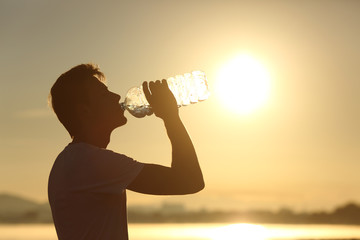
Heat stroke, which is the most severe heat-related illness that one can develop, occurs as a result of being in extreme heat/sun for prolonged amounts of time. When you stay in the heat for a lengthy period, the body’s heat-regulating system becomes overwhelmed and unable to cool itself down. Symptoms of heat stroke can be similar to those of heat exhaustion, including severe headache, nausea and vomiting, muscle cramps, feeling lightheaded, rapid heartbeat, breathing that becomes shallow, changes in behaviour such as disorientation, seizures, and you can even become unconscious. If you are with someone you think may be suffering from heat stroke, it is important to call 911 immediately, as this can be a life-threatening condition.


While the heat can affect anyone, individuals such as infants and elderly patients are more at risk, as well as those who have pre-existing health problems such as lung disease, heart disease, or diabetes. As such, Dr. Ali Ghahary recommends avoiding the outdoors and/or strenuous activity until these weather advisories are lifted. If you still insist on going outdoors, it is important to take steps to avoid heat-related illness by keeping hydrated (drink plenty of water!) and keeping your eyes and skin protected by wearing hats, sunglasses and sunscreen. 

You can find plenty of summer health tips by following Dr. Ali Ghahary on Twitter, Instagram and Pinterest.

Thursday, May 26, 2016

Summer Health and Safety Tips: Heat Exhaustion and Heat Stroke


Springtime leading into summertime and the warmer weather that comes along with these seasons has always been a great excuse for Canadians to get outdoors more often. However, with the beautiful summertime weather that Canada has to offer, that also means higher than normal temperatures and humidity from time to time, and with those higher temperatures comes the increased potential for health risks associated with overexposure to sources of ultraviolet radiation such as sunlight. While temperatures in the summertime will vary across different regions in Canada, the consequences can turn out to be extremely detrimental to your health. By following a few simple steps you will not only avoid an emergency room visit, but also still be able to enjoy the nicer weather.

Overexposure to the sun can cause everything from sunburn to hyperthermia. Hyperthermia occurs when your body is unable to cool itself down to its core temperature (normally between 36.5°C and 37.5°C), overheating as a result. Hyperthermia will present itself in two different ways: As heat exhaustion or as heat stroke. Being in hot weather and sunlight for a protracted amount of time causes these conditions. While heat exhaustion and heat stroke have similar characteristics, they are also differentiated by their symptoms.

With heat exhaustion, some of the potential symptoms include dizziness, headaches, nausea, muscle cramps, shallow breathing, and profuse sweating. Immediately removing oneself from sunlight and into shade, as well as keeping hydrated, can help to relieve these symptoms. Whereas heat stroke is a serious and potentially fatal condition. The onset of heat stroke can be sudden, and includes symptoms of a body temperature above 40°C, restlessness, hot or flushed skin, deteriorating mental function, unconsciousness, and in some cases can even lead to death. The risk of heat exhaustion and heat stroke is greater for infants, seniors, and those who have been diagnosed with chronic illnesses such as cardiovascular diseases or lung problems.

To avoid coming down with heat-related illnesses, Dr. Ali Ghahary of Brentwood Medical Clinic recommends that you keep yourself cool and remain hydrated, especially before and after any outdoor physical activity, in addition to paying close attention to local weather reports and avoid exposure to extreme heat conditions whenever possible. If your work includes being outdoors for prolonged periods of time, it is important to take breaks, go in areas where there is more shade (which can be up to 5°C cooler than being in direct sunlight), and always pay close attention to how you are feeling. If you notice any symptoms related to heat exhaustion or heat stroke then you should see a physician right away.